- Home/
- Buy Antabuse Online in Canada – Fast and Secure Canadian Delivery
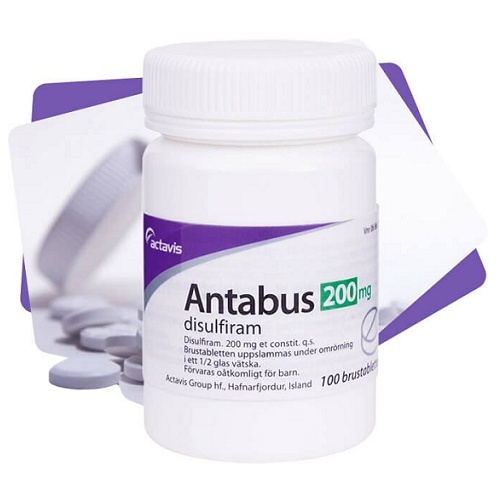
Antabuse (disulfiram) is a prescription medication used in Canada to support people struggling with Alcohol Dependence. Before starting Antabuse, it’s crucial to understand that it works by making you physically sick if you drink alcohol—even in small amounts. This effect is powerful, deliberate, and not reversible until the drug is out of your system, so commitment is non-negotiable.
What Makes Antabuse Different from Other Alcohol Dependence Treatments?
Every journey to stop drinking is personal. Some people choose counseling, mutual support groups, or simply try to quit on their own. Others turn to medication. In the world of Alcohol Dependence, three medications are most often considered in Canada: naltrexone, acamprosate, and Antabuse (disulfiram). So why do some people—and their doctors—choose Antabuse?
Here’s the defining fact: Antabuse is the only medication that creates a physical deterrent to drinking alcohol, not just a mental one. If you drink—even a small amount—while taking Antabuse, you’ll feel acutely sick, with symptoms like severe flushing, pounding headache, nausea, vomiting, chest pain, and a sense of dread. This isn’t a side effect; it’s the main event. The reaction can last for hours and, in rare cases, be dangerous.
In practice, Antabuse is rarely a first-line option in Canada. Clinical guidelines recommend it when other medications haven’t worked, or when the patient specifically requests an external, immediate deterrent. It’s also sometimes chosen when access to other therapies is limited. You can’t buy Antabuse without a prescription; Canadian law requires a doctor’s involvement.
This “deterrent effect” shapes everything about how Antabuse is prescribed, monitored, and used. If you’re considering Antabuse, be prepared: it’s a medication that fundamentally changes your relationship with alcohol—by making drinking a physically punishing experience.
How Antabuse Works in Real Life—Beyond the Science
Disulfiram, the active ingredient in Antabuse, blocks an enzyme in your liver called aldehyde dehydrogenase. Normally, this enzyme helps your body break down alcohol into harmless substances. When it’s blocked, drinking alcohol—even a small glass of wine—causes toxic acetaldehyde to build up rapidly. The result: classic disulfiram reaction symptoms.
- Flushing
- Your face and neck may turn red and hot within minutes of alcohol ingestion.
- Headache
- Pounding or throbbing pain that can last for hours.
- Nausea and Vomiting
- Sudden and often severe, making it nearly impossible to continue drinking.
- Chest Pain & Palpitations
- Some people experience frightening cardiovascular symptoms—even if they have a healthy heart.
- Sense of Dread
- The physical distress is so strong that it often triggers anxiety and a sense of panic.
(Source: Health Canada product monograph)
What does research say about effectiveness? Unlike naltrexone or acamprosate, disulfiram does not reduce cravings for alcohol or ease withdrawal. Instead, its main effect is behavioral: it’s a deterrent. Clinical studies show that Antabuse can help people maintain abstinence, especially if they’re motivated and supported—by family, therapy, or supervised dosing. [See PubMed]
What’s missed in most articles: disulfiram’s effects are not limited to alcohol you drink on purpose. Cough syrups, sauces, aftershaves, and some desserts can contain enough alcohol to trigger a reaction. Patients in Canada often underestimate this risk because food labeling can be inconsistent.
In summary, Antabuse doesn’t treat Alcohol Dependence by rewiring your brain’s response to alcohol. It forces a sharp, negative association with drinking—if you take it regularly and honestly report your use.
Taking Antabuse Correctly: What Matters Most Day to Day
If you decide to start Antabuse, success and safety hinge on how—and when—you take it. The medication is usually started after you’ve been alcohol-free for at least 12 to 24 hours. A doctor will confirm this with you, and sometimes with a blood or breath test, depending on your situation. Taking Antabuse too soon after drinking can trigger a severe reaction.
The standard starting dose for adults in Canada is 250 mg once daily, although some doctors may use a higher dose for initial days. The tablet is usually taken in the morning, with or without food. Consistency is key: missing doses or taking “drug holidays” undermines the deterrent effect and increases the risk of relapse.
| Patient Group | Initiation Dose | Maintenance Dose | Notes |
|---|---|---|---|
| General Adult | 250–500 mg once daily | 250 mg once daily | Start after 12–24h abstinence; adjust as needed |
| Older Adults | Lower end of range (250 mg) | Up to 250 mg once daily | May require slower titration |
| Renal Impairment | As above | As above | Use with caution; monitor closely |
| Hepatic Impairment | Not recommended | N/A | Contraindicated (see below) |
Dosing is generally uniform, but some adjustments occur for advanced age or co-morbidities. Children and teenagers are not typically prescribed Antabuse for Alcohol Dependence in Canada.
Commitment is everything with Antabuse. It’s not a medication you “try” for a day or two. The protective barrier it provides is only as strong as your willingness to take it consistently, and your environment’s support. That’s why Canadian prescribers often emphasize follow-up appointments, pharmacy check-ins, and involving trusted supporters in your treatment plan.
Which Side Effects Matter Most with Antabuse—And When to Act
No medication is risk-free. But with Antabuse, the side effects patients actually notice—and care about—are different from what’s discussed in most drug leaflets.
The most predictable and deliberate “side effect” is the disulfiram-alcohol reaction. However, even if you abstain, Antabuse can cause other effects that range from mildly annoying to medically significant.
| Side Effect | Estimated Frequency | When to Contact a Doctor |
|---|---|---|
| Fatigue, drowsiness | Common (10–20%) | If persistent, severe, or interferes with daily function |
| Metallic or garlic-like taste | Common (15–30%) | If severe or leads to stopping medication |
| Skin rash, acne | Uncommon | If widespread or accompanied by fever |
| Liver toxicity (jaundice, dark urine) | Rare (<1%) | Stop Antabuse and seek care immediately |
| Peripheral neuropathy (numbness, tingling in limbs) | Rare (<1%) | If persistent or worsening |
| Psychosis (confusion, paranoia) | Very rare (<0.1%) | Stop medication and see doctor urgently |
| Severe disulfiram-alcohol reaction | Variable (depends on exposure) | Seek emergency care (call 911) if chest pain, trouble breathing, or collapse |
The most serious risks are liver damage and rarely, psychiatric effects. Canadian guidelines recommend bloodwork before starting Antabuse and monitoring liver function periodically. If you notice yellowing of the skin or eyes, dark urine, unexplained fatigue, or mood changes, stop the medication and contact your doctor immediately.
Most people who take Antabuse under a doctor’s supervision in Canada do not experience serious side effects. But knowing what to watch for—and what to do—can make the difference between a challenging experience and a dangerous one.
When Not to Take Antabuse: Absolute and Relative Contraindications
- You have severe liver disease or cirrhosis.
- You have severe heart disease.
- You are currently intoxicated or have consumed alcohol in the last 12–24 hours.
- You are pregnant or breastfeeding (unless directed by a specialist).
- You have a history of psychosis or severe psychiatric illness.
- You are allergic to disulfiram or thiuram derivatives (found in some pesticides and rubber products).
Relative contraindications (where extra caution is needed, and your doctor will weigh risks versus benefits):
- Mild to moderate liver impairment: Regular monitoring is required; Antabuse may still be used if benefits outweigh risks.
- Older age: Risk of side effects may be higher—dose adjustments and closer follow-up are standard.
- Multiple medications: Disulfiram interacts with a wide range of drugs, including some used for mental health and heart conditions.
- Occupational hazards: If your work involves alcohol-based products or operating dangerous machinery, talk to your doctor before starting Antabuse.
If you’re unsure about your eligibility, have an honest conversation with your physician. In Canada, the prescription process for Antabuse is deliberately cautious—your safety comes first.
Antabuse vs. Other Options in Canada: A Practical Comparison
| Attribute | Antabuse (Disulfiram) | Naltrexone | Acamprosate |
|---|---|---|---|
| How it works | Creates deterrent by causing illness if alcohol is consumed | Reduces pleasure/reward of drinking | Stabilizes brain chemistry to reduce cravings |
| Onset of effect | Within 1–2 hours of first dose | Days to weeks | Days to weeks |
| Main goal | Support abstinence by making drinking physically unpleasant | Reduce heavy drinking or support abstinence | Reduce cravings and support abstinence |
| Side effects | Metallic taste, tiredness, severe alcohol reaction, liver risk | Nausea, headache, rarely liver toxicity | Diarrhea, anxiety, insomnia |
| Major warnings | Never combine with alcohol; avoid in liver disease | Avoid in severe liver disease; interacts with opioids | Avoid in severe kidney disease |
| Monitoring requirements | Liver tests, supervised dosing often recommended | Liver tests before/during use | Kidney function tests |
| Prescription needed in Canada | Yes (cannot buy Antabuse without prescription) | Yes | Yes |
| Buy/order online in Canada? | Legal only with prescription; beware illegitimate Antabuse online offers | Legal only with prescription | Legal only with prescription |
| Typical cost (out-of-pocket, uninsured) | $30–$70/month (Antabuse in pharmacy); some coverage may apply | $60–$120/month | $60–$110/month |
In practice, patients who choose Antabuse are often looking for a “hard stop”—a tool that makes drinking simply not worth it. Naltrexone and acamprosate offer subtler supports by reducing cravings or pleasure, but they don’t punish a slip. In Canada, all three require a doctor’s prescription; you cannot legally purchase Antabuse without prescription, despite the presence of Antabuse online ads.
Accessing Antabuse in Canada: Prescription, Online, Pharmacy, and Cost Realities
Buying Antabuse in Canada isn’t like ordering a supplement or over-the-counter cold medicine. You need a prescription from a licensed Canadian healthcare provider—family doctor, psychiatrist, or addiction specialist. No legitimate Canadian pharmacy will sell Antabuse without prescription.
- In pharmacy: Most community pharmacies in Canada stock Antabuse or can order it in within 24–48 hours. Pharmacies can also provide counseling on safe use and check for drug interactions.
- Ordering online: Some legitimate Canadian online pharmacies will fill valid prescriptions and ship Antabuse to your address. Beware of “Antabuse online” sites that do not require prescriptions—these are often illegal and may sell counterfeit or unsafe products.
- Cost/coverage: Without private insurance or provincial drug coverage, expect to pay $30–$70 per month for Antabuse in pharmacy. Some plans cover disulfiram as a benefit for Alcohol Dependence; check with your insurer or pharmacist for details. Antabuse cheap is rarely a reality—be skeptical of sites advertising unusually low prices.
If you are exploring Antabuse as part of your recovery, your next steps should be: discuss it with your prescribing doctor, confirm you meet safety criteria, and ask your local pharmacist about access and cost. For those seeking affordable Antabuse, financial assistance programs may be available through provincial addiction services or nonprofit organizations.
To “order Antabuse” or “purchase Antabuse” in Canada, the legal and safe pathway always runs through a doctor’s office or a licensed pharmacy. Attempts to buy Antabuse without prescription can lead to unsafe, ineffective, or even dangerous products.
Frequently Asked Questions about Antabuse in Canada
- Can I buy Antabuse without a prescription in Canada?
- No. Canadian law requires a valid prescription for Antabuse. Any website or pharmacy offering Antabuse without prescription is not legitimate and may be unsafe.
- What happens if I drink alcohol while taking Antabuse?
- You will likely experience a rapid and severe reaction—flushing, nausea, vomiting, headache, and sometimes chest pain or anxiety. The effect is powerful and can be dangerous; some people require emergency treatment.
- Is Antabuse effective for everyone with Alcohol Dependence?
- Antabuse works best for people highly motivated to stop drinking, especially when combined with support and supervision. It is less effective if you have trouble taking it regularly or if your main challenge is alcohol cravings.
- Can I buy Antabuse online from a Canadian pharmacy?
- Yes, but only with a prescription. Many reputable Canadian pharmacies offer online ordering and delivery if you have a doctor’s approval. Always verify the pharmacy’s license before you order Antabuse online.
- Are there affordable Antabuse options available?
- Generic disulfiram is usually more affordable than brand-name Antabuse in Canada, but prices still vary. Some provincial plans or private insurance may cover the cost. Be wary of sites offering Antabuse cheap without a prescription.
- How long does Antabuse stay in my system?
- Antabuse’s effects can persist for up to 14 days after the last dose. Drinking alcohol during this time can still lead to a reaction. Do not stop Antabuse without consulting your doctor.
- What if I need to use a product that contains alcohol, like mouthwash or hand sanitizer?
- Even small amounts of alcohol in foods, medicines, or skin products can trigger a reaction. Use alcohol-free alternatives and check product labels carefully. Your pharmacist can help identify safe products.
- How do I know if Antabuse is the right medication for me?
- Discuss your treatment history, lifestyle, and medical conditions with your doctor. Antabuse may be right if you need a strong deterrent to drinking and can commit to regular dosing, but it’s not for everyone.
- Is ordering Antabuse online from outside Canada safe?
- No. Importing prescription medications without Health Canada approval is illegal and risky. Products may be counterfeit, unsafe, or not contain real disulfiram.
References
- Health Canada: Drug Product Database
- Canadian Clinical Practice Guidelines for the Management of Alcohol Use Disorder, Canadian Research Initiative in Substance Misuse, 2019
- CAMH: Alcohol Use Disorder
- Mayo Clinic – Disulfiram (Oral Route) – Drug Information
- PubMed: Clinical Studies on Disulfiram
- U.S. FDA – Prescription Drug Information
- WHO: Alcohol Dependence Management
- Antabuse (Disulfiram) Product Monograph, Manufacturer, 2023
