- Home/
- Buy Clomid Online in Canada – Fast and Secure Ordering
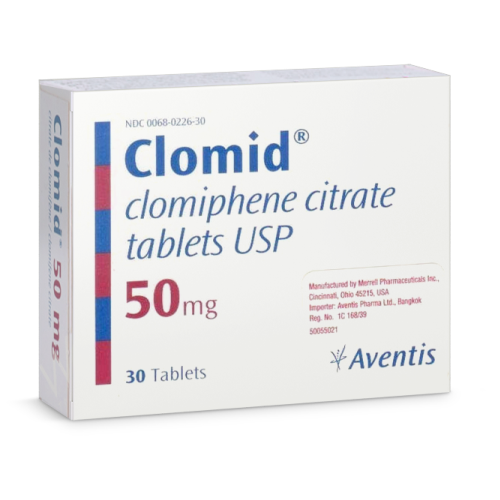
| Name of Medication | Clomid |
|---|---|
| Main Component | Clomiphene |
| Therapeutic Use | Treatment of Female Infertility (Ovulation Induction) |
| Forms and Strengths | Tablets: 50 mg |
| How Soon It Works | Typically stimulates ovulation within 5–10 days of starting treatment |
| How Long It Lasts | Induces a single ovulation cycle; effects do not persist into subsequent cycles without retreatment |
| Prescription Rules in Canada | Prescription required by Health Canada; online platforms may offer Clomid without prescription |
| Average Price in Canadian Pharmacies | Approximately $80–$120 CAD per cycle (varies by source and location) |
Clomid: Your Options for Female Infertility in Canada
Clomid (Clomiphene) is an established medication for women facing difficulties with ovulation-related infertility and is legally available in Canada through healthcare providers and pharmacies. As a regulated fertility treatment, it gives many women the chance to begin or expand their families with medical support tailored to their situation.
Understanding Female Infertility: You Are Not Alone
Female infertility is more common than most realize, and struggling to conceive is often an isolating experience. However, the reality is that you are far from alone in facing these challenges. According to the Public Health Agency of Canada (PHAC, 2021), an estimated 16% of Canadian couples experience infertility at some point—a figure that has doubled since the 1980s. The World Health Organization (WHO, 2023) also reports that infertility affects about one in six couples globally, making reproductive difficulties a significant public health concern. These numbers highlight that infertility is not a rare or shameful issue but a widespread medical condition with many recognized pathways to help.
- What does this mean for you? Medical science has identified numerous causes and effective treatments, including medications like Clomid, that help address specific barriers to conception. Recognizing that female infertility is a medical condition—not a personal failure—is the first step toward seeking support and solutions.
How Clomid Works to Solve Ovulation Problems
Clomid addresses one of the most common causes of female infertility: ovulation disorders. Many women who have irregular or absent periods struggle to release an egg (ovulate) each cycle. Without ovulation, conception is impossible.
- Physiological Mechanism: Clomid acts as a selective estrogen receptor modulator (SERM). It tricks the brain into believing estrogen levels are low, causing the pituitary gland to release more follicle-stimulating hormone (FSH) and luteinizing hormone (LH). These hormones prompt the ovaries to mature and release an egg.
- Practical Consequence for You: Most women who respond to Clomid will ovulate within 5–10 days after completing a treatment cycle, often confirmed by a rise in basal body temperature or through ovulation predictor kits. If successful, this creates a window for natural conception, either through timed intercourse or, in some cases, assisted reproductive technologies.
In clinical trials, up to 80% of women with ovulation disorders will ovulate after Clomid treatment, and approximately 30–40% will achieve pregnancy within six cycles (Society of Obstetricians and Gynaecologists of Canada, 2022). Results will vary depending on the underlying cause and individual circumstances.
Is Clomid Right for Your Situation?
| Your Situation | Is Clomid Appropriate? | Reasoning |
|---|---|---|
| Irregular or Absent Periods (Anovulation) with Normal Ovarian Reserve | Yes | Clomid is most effective when ovulation is the main barrier; it stimulates the ovaries to release eggs |
| Diagnosed Polycystic Ovary Syndrome (PCOS) without other major fertility issues | Yes, often first-line | Clomid is commonly prescribed for ovulation induction in PCOS, especially if lifestyle changes alone are not enough |
| Normal Cycles, Unexplained Infertility | Sometimes | May be used to enhance ovulation or improve timing, but effectiveness is lower; alternatives may be considered |
| Blocked Fallopian Tubes or Severe Male Factor Infertility | No | Clomid will not address mechanical barriers or sperm issues; other options such as IVF or ICSI are needed |
| Previous Unsuccessful Clomid Cycles | Possibly, with specialist guidance | An increased dose or alternative agents may be tried after consultation; ongoing non-response suggests other causes |
If you recognize your scenario above, this table should clarify whether pursuing Clomid—either through your clinic, with a prescription from your doctor, or through Clomid online platforms—is a reasonable next step. If you do not see your exact situation, a reproductive specialist can help personalize your plan.
How to Use Clomid: What to Expect
You typically begin Clomid early in your menstrual cycle—often on day 3, 4, or 5—taking one tablet daily for five days. Your exact starting dose and protocol should be guided by your healthcare provider or fertility specialist.
- With or Without Food: Clomid can be taken with or without meals; taking it at the same time daily helps maintain routine and may minimize stomach upset.
- Monitoring: Ovulation is commonly tracked with home ovulation kits, temperature charting, or ultrasound. This helps time intercourse or assisted procedures for the highest chance of success.
- If You Miss a Dose: Take the missed tablet as soon as you remember, but if it is almost time for your next dose, skip the missed one—never double up. Missing a dose may reduce the chance of ovulation that cycle, but does not require urgent intervention.
- If It Does Not Work: If you do not ovulate after the first round, your doctor may increase the dose for the next cycle or investigate other causes. Most women do not require more than 3–6 cycles.
- Pregnancy Precautions: Once pregnancy is confirmed, Clomid should be stopped. Continuing Clomid during pregnancy is not recommended.
“In my clinical practice, I advise women to track not just their ovulation, but also any physical or emotional changes during Clomid treatment. This information can guide dose adjustments and help identify side effects early.”
— Dr. Jillian McGregor, Reproductive Endocrinologist (Canada)
Clomid in Canada is dispensed both in pharmacy and through select online platforms. Some women choose to order Clomid online for convenience or cost reasons, but careful attention to sourcing is important.
Who Should Not Use Clomid?
- Liver Disease: Clomid is processed by the liver; pre-existing liver dysfunction can increase toxicity risk.
- Ovarian Cysts (Not Due to PCOS): Outside of polycystic ovary syndrome, Clomid may worsen ovarian enlargement.
- Unexplained Uterine Bleeding: This must be evaluated first, as undiagnosed bleeding could signal serious underlying issues.
- Pregnancy: Should not be used once pregnancy is confirmed, as there is no benefit and possible risk.
- Hypersensitivity to Clomiphene: Allergic reactions, while rare, preclude further use.
A thorough review of your health history with your doctor is always essential before starting or continuing Clomid, especially if you plan to buy Clomid without prescription through online sources.
What Side Effects Can Occur with Clomid?
- Common (Usually Mild and Temporary): Hot flashes, abdominal discomfort, mood swings, breast tenderness. These generally resolve after stopping the medication.
- Less Common (Monitor Closely): Visual disturbances (blurry vision, spots), persistent pelvic pain, severe headaches. These may require stopping Clomid and medical review.
- Rare but Serious: Ovarian hyperstimulation syndrome (OHSS), severe abdominal pain, rapid weight gain, shortness of breath. These warrant immediate medical attention. In Canada, call 911 or your nearest emergency department if you experience sudden severe symptoms.
Most side effects occur within the treatment cycle and resolve on their own. If you notice lasting or severe problems, consult your healthcare provider before continuing. The risk of twins or multiples increases from a natural baseline of 1–2% to about 8–10% with Clomid; higher-order multiples are rare.
Medication Interactions: What to Watch For
Clomid does not have extensive drug interactions, but certain medications and supplements can interfere with its effectiveness or increase risks:
- Hormonal Therapies: Other fertility drugs may be prescribed together but require specialist coordination.
- Herbal Supplements: Some can affect hormone levels and response to Clomid—always disclose all products to your healthcare provider.
- Alcohol: While moderate use is not strictly prohibited, alcohol may affect hormonal balance and overall fertility.
Whenever possible, review your complete medication and supplement list with your doctor before starting Clomid, especially if ordering Clomid online or from non-traditional sources.
Alternatives and Comparisons: Is Clomid the Best Option?
| Medication or Approach | When It Is Preferred | Considerations |
|---|---|---|
| Clomid (Clomiphene) | First-line for most ovulation disorders (e.g., PCOS, anovulation) | Affordable, widely available, well-studied; higher risk of twins than natural conception |
| Letrozole | PCOS or women who do not respond to Clomid | Similar or improved effectiveness, lower multiple pregnancy risk; off-label use in some jurisdictions |
| Injectable Gonadotropins | Women who fail oral agents, require more controlled stimulation | Higher pregnancy and multiple birth rates, greater monitoring needs, more costly |
| Natural Cycle Optimization | Women with mild ovulation irregularity | No medication risks, but less effective with persistent infertility |
| IVF (In Vitro Fertilization) | Blocked tubes, severe male factor, multiple failed oral cycles | Invasive, expensive, higher success rates in selected cases |
Clomid remains the most affordable and accessible pharmacological option for ovulation induction in Canada. However, it is not universally effective, and some women will require alternative therapies such as Letrozole or IVF. Your fertility specialist can help guide this decision based on your past response and specific barriers.
How to Buy Clomid in Canada: What to Expect
- Prescription Requirement: In Canada, Clomid is classified as a prescription-only medication by Health Canada. Traditionally, you receive a prescription from your physician, then fill it at a local pharmacy.
- Clomid in Pharmacy: Most community and hospital pharmacies stock Clomid or can order it within a day or two. Pricing varies by region and insurance coverage.
- Clomid Online: Increasingly, women choose to order Clomid online for convenience or privacy. Some online pharmacies may offer Clomid without prescription, but these sources may not be regulated. It is essential to confirm the legitimacy of the platform and the quality of the medication. Health Canada does not endorse or regulate medications obtained without prescription, even if they are marketed to Canadians.
- Clomid Cheap / Affordable: Online sources sometimes advertise Clomid cheap, but the risk of counterfeit or substandard medication is higher outside regulated pharmacies. The safest way to purchase Clomid in Canada remains through a licensed pharmacy with a valid prescription.
What you will actually pay for Clomid treatment
| Cost Item | Amount (CAD) | Note |
|---|---|---|
| Doctor Consultation (Initial or Telemedicine) | $0–$200 | Covered by provincial health plans in most cases; private clinics may charge fees |
| Prescription Fee (if required) | $0–$20 | Some clinics or online platforms may charge a nominal fee |
| Clomid Medication (per cycle) | $80–$120 | Typical retail range for 5 tablets of 50 mg each |
| Delivery (if ordering online) | $0–$25 | Varies by platform and shipping speed |
| Total | $80–$365 | Lower end: public insurance & in-pharmacy pick-up; upper end: private consultation & online order |
Many Canadians choose to buy Clomid for affordability and accessibility, whether through pharmacies or online platforms. If you are considering to purchase Clomid online, verify the source and ensure you are receiving authentic medication. Clomid without prescription may be available, but there is increased risk and less regulatory protection.
Closing Remaining Questions About Clomid in Canada
- Can I buy Clomid without a doctor’s visit? While some online sites advertise Clomid without prescription, this is outside Canadian legal requirements. If you choose this route, do so with awareness of the risks.
- How many cycles of Clomid can I take? Most fertility specialists recommend limiting use to six cycles in a lifetime due to diminishing returns and increased risk of side effects.
- Is generic clomiphene as effective as brand-name Clomid? Yes. Both forms are considered equivalent by Health Canada and fertility experts.
- Will insurance cover Clomid? Provincial health plans typically cover physician consultations, but medication coverage depends on your private insurance or drug plan.
- What if I have more questions? Complex fertility journeys often require individualized guidance. Consulting a reproductive endocrinologist in Canada ensures that your unique situation and preferences are addressed with the most up-to-date, evidence-based care.
