- Home/
- Buy Glucophage at Low Price in Canada Online
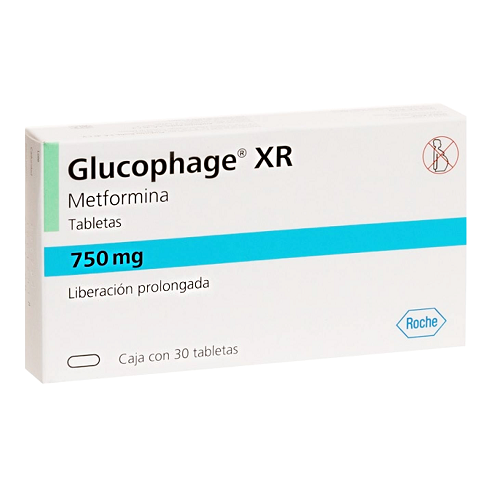
Glucophage (Metformin) in Canada — The Definitive Guide for 2026
Can You Buy Glucophage Without a Prescription in Canada?
No, you cannot buy Glucophage without a prescription in Canada. It is classified as a prescription-only medication by Health Canada and must be dispensed by a licensed pharmacist following a valid doctor’s prescription. Purchasing Glucophage online from websites that do not require a prescription is illegal and carries significant health risks, including counterfeit products and possible legal consequences. If you see offers to buy Glucophage online without a prescription for delivery to Toronto, Vancouver, Calgary, or anywhere in Canada, avoid them—these are not legitimate sources.
Quick Summary: Glucophage in Canada
| Parameter | Details (2026, Canada) |
|---|---|
| Active Ingredient | Metformin hydrochloride |
| Main Use | Type 2 Diabetes management (first-line) |
| Usual Starting Dose | 500 mg once or twice daily with meals |
| Prescription status | Prescription-only in Canada |
| Common Side Effects | Gastrointestinal (nausea, diarrhea), rare lactic acidosis |
| Typical Pricing | $0.15–$0.60 per tablet (generic/brand) |
| Availability | All major Canadian cities and online pharmacies (with prescription) |
| Insurance Coverage | Most provincial drug plans and private insurance |
How Does Glucophage Work? (Mechanism of Action Explained)
Glucophage (active ingredient: metformin) is a biguanide oral medication that lowers blood sugar in people with type 2 diabetes. It acts primarily by:
- Reducing hepatic (liver) glucose production — Metformin inhibits gluconeogenesis, the process by which the liver produces new glucose, thereby lowering fasting blood sugar.
- Improving insulin sensitivity — It increases the uptake and utilization of glucose by skeletal muscle and adipose (fat) tissue, making the body respond better to insulin.
- Decreasing intestinal absorption of glucose — It slightly reduces the amount of sugar absorbed from the gut after eating.
At the cellular level, metformin activates AMP-activated protein kinase (AMPK), an enzyme that acts as a “metabolic master switch” in regulating energy balance (PubMed, Health Canada). This results in multiple downstream effects, ultimately decreasing glucose production and improving insulin sensitivity without causing hypoglycaemia (low blood sugar) when used alone.
Simplified Metaphor: Think of Glucophage as a thermostat for your blood sugar—it keeps your liver from “overheating” your blood with excess glucose and helps your body’s cells “burn” sugar more efficiently.
Myth: Glucophage works instantly after the first dose.
Reality: It typically takes several days to weeks for full glucose-lowering effects.
Expert Commentary from doctor
In my practice, one common misconception is that Glucophage can handle poor diet choices on its own—this simply isn’t true. Many patients expect immediate results, but metformin’s benefits accrue with consistent use alongside proper nutrition and physical activity. Another point of confusion: some stop taking their medication because of initial stomach upset, unaware these effects often subside. For best results, I advise starting low and going slow, always taking Glucophage with meals. Patients sometimes don’t realize that skipping doses or self-adjusting their regimen can reduce effectiveness and even increase risk. If you’re ever unsure how to take your medication, ask your pharmacist or prescribing doctor—don’t guess.
What Happens to Glucophage in Your Body? (Pharmacokinetics)
After swallowing Glucophage, about 50–60% of the dose is absorbed from your intestines. Absorption is slower if taken with food, but this helps reduce stomach upset. Unlike many drugs, metformin is not metabolized by the liver; instead, it circulates unchanged in the blood and is excreted by the kidneys in your urine.
- Time to peak blood concentration: 2–3 hours (immediate-release); 4–8 hours (extended-release)
- Half-life (T1/2): About 6.2 hours
- Duration of action: 12–24 hours depending on the formulation
- Not metabolized by liver enzymes (CYP450) — so fewer drug interactions
Bottom line: Because Glucophage is cleared by the kidneys, dose adjustments are crucial if you have impaired kidney function.
How Should You Take Glucophage? (Dosage and Administration)
- Usual Starting Dose (Adults):
- 500 mg once or twice daily with meals. Some may start at 850 mg once daily based on physician discretion.
- Maximum Dose:
- 2000–2550 mg per day (split into 2–3 doses for immediate-release; 2000 mg once daily for extended-release). Never exceed this amount as the risk of side effects (including potentially fatal lactic acidosis) increases substantially.
- Can the Tablet Be Split?
- Immediate-release tablets can generally be split if scored, but extended-release forms should never be crushed or split.
- When Should I Take Glucophage?
- Always take with meals to reduce stomach upset. Try to take it at the same times daily for the best results.
- Missed Dose?
- If less than a few hours late, take it as soon as you remember. If it’s almost time for your next dose, skip the missed dose—never double up.
- Special Groups:
- Elderly patients or those with kidney impairment often need lower doses and more frequent monitoring.
For children (age 10+), dosing is determined individually; always follow your doctor’s advice.
Food, Alcohol, and Lifestyle: What Interacts with Glucophage?
- Take with food: Reduces stomach upset; absorption is slightly slower but more tolerable.
- High-fat meals: May delay absorption but not the overall effect.
- Alcohol: Strictly limit or avoid alcohol while taking Glucophage. Consuming large amounts (more than 2 standard drinks, or 20g ethanol per day) greatly increases the risk of lactic acidosis, a rare but potentially fatal side effect.
- Grapefruit juice: No significant interaction noted with Glucophage (unlike some other medications).
- Physical activity: Exercise is encouraged but avoid extreme exertion in dehydrated or unwell states.
Patient quote (Toronto): “I used to get queasy until I started taking my metformin with my morning oatmeal. Made a world of difference for me.”
In short: Consistent meal timing and moderation with alcohol are crucial when using Glucophage.
Who Should Not Take Glucophage? (Contraindications & Cautions)
- eGFR (kidney function) <30 mL/min/1.73m2
- Acute or chronic metabolic acidosis (e.g., diabetic ketoacidosis)
- Severe liver disease
- Alcohol abuse or binge drinking
- Allergy to metformin or any component of the formulation
- eGFR 30–45 mL/min/1.73m2 (lower dose, closer monitoring, periodic reassessment)
- Age over 80 years (increased risk of kidney issues)
- Past history of heart failure or recent heart attack (risk of lactic acidosis higher during unstable periods)
- Severe infections, dehydration, or shock
- Planned surgery or radiological procedures involving contrast dyes (may require temporary discontinuation)
- Pregnancy and breastfeeding — use only if benefit clearly outweighs risk (consult your endocrinologist or obstetrician)
Why: Glucophage is cleared by the kidneys. Any condition that impairs kidney or liver function increases the risk of metformin accumulation and lactic acidosis, which can be fatal.
What Side Effects Are Most Common With Glucophage?
| Frequency | Side Effect | Mechanism/Notes |
|---|---|---|
| Very Common (>1 in 10) |
Diarrhea, nausea, abdominal pain, loss of appetite | Direct effect on gut lining; often subside after 1–2 weeks |
| Common (1–10 in 100) |
Metallic taste, flatulence, mild vitamin B12 reduction | May require monitoring after long-term use |
| Rare (<1 in 1,000) |
Lactic acidosis (life-threatening), skin rash | Requires emergency care; most common in those with kidney/liver disease or alcohol abuse |
| Very Rare | Liver dysfunction, severe allergic reaction (anaphylaxis) | Stop medication and seek help immediately if symptoms occur |
What to do if you experience side effects: Most stomach upset subsides with time; if severe or persistent, contact your doctor. For serious symptoms (muscle pain, rapid breathing, confusion), seek emergency care—these may signal lactic acidosis.
Medication Compatibility: Can Glucophage Be Combined with Other Drugs?
| Type of Product | Can it be Combined? | Consequences/Notes |
|---|---|---|
| Insulin | Yes (under medical supervision) | May increase risk of low blood sugar—monitor closely |
| ACE Inhibitors (e.g., ramipril) | Yes | May enhance glucose-lowering effect—monitor glucose |
| NSAIDs (e.g., ibuprofen) | With caution | Can impair kidney function, increasing metformin risk |
| Cimetidine | No (avoid if possible) | Slows elimination of metformin—increases side effect risk |
| Contrast Dyes (for imaging) | Temporarily stop Glucophage | Risk of acute kidney injury and lactic acidosis |
| Alcohol (heavy use) | Strictly No | Significantly increases risk of lactic acidosis |
| Grapefruit juice | Yes | No significant interaction |
Always discuss new medications or supplements with your doctor or pharmacist before starting them alongside Glucophage.
Common Patient Mistakes Observed by doctor
- Skipping doses or taking Glucophage only when “feeling high sugar.” This disrupts blood sugar control and increases long-term risks. Tip: Set a daily reminder.
- Stopping medication abruptly due to stomach upset. Most gastrointestinal issues ease with time. Tip: Start with a low dose, always take with food, and communicate with your prescriber.
- Doubling up after a missed dose. Can increase side effect risk without added benefit. Tip: If you miss a dose, take the next dose as scheduled—never double.
- Drinking alcohol on Glucophage. Even moderate amounts raise the risk of lactic acidosis. Tip: Discuss safe limits with your healthcare provider.
- Assuming it replaces healthy lifestyle choices. Diet and exercise remain critical for effective diabetes management. Tip: Use Glucophage as one part of a broader therapy plan.
- Not informing the doctor before surgery or imaging tests involving contrast dyes. This can result in dangerous kidney stress. Tip: Always mention your medication list before any procedures.
How Does Glucophage Compare to Other Diabetes Medications?
| Medication | Onset of Action | Duration | Key Side Effects | Estimated Price (Canada, 2026) | Prescription Required? |
|---|---|---|---|---|---|
| Glucophage (Metformin) |
Few days–2 weeks | 12–24 hours | GI upset, rare lactic acidosis | $0.15–$0.60/tablet | Yes |
| Jardiance (Empagliflozin) | Within days | 24 hours | Genital infections, dehydration | $3–$5/tablet | Yes |
| Diamicron (Gliclazide MR) | 2–4 hours | 24 hours | Low blood sugar, weight gain | $0.50–$1.20/tablet | Yes |
| Ozempic (Semaglutide, injection) | Several days | 1 week (weekly dose) | Nausea, GI upset, rare pancreatitis | $120–$150/pen (4 doses) | Yes |
Key takeaways: Glucophage is nearly always the most affordable first-line choice for type 2 diabetes in Canada. Newer agents (like SGLT-2 inhibitors or GLP-1 agonists) may be added if extra glucose control, weight loss, or heart/kidney protection are needed, but they cost more and have different side effect profiles.
Key Characteristics of Glucophage
| Active Ingredient | Metformin hydrochloride |
| Formulations | 500, 850, 1000 mg tablets (immediate and extended-release) |
| Prescription Requirement | Yes (mandatory in Canada) |
| Common Dosage Forms | Tablets, rarely oral liquid (for pediatric/elderly) |
| Daily Dose Range | 500–2550 mg (usual 1000–2000 mg) |
| Elimination | Kidneys — unchanged, not metabolized by liver |
| Main Risk | Lactic acidosis (rare, serious) |
| Typical Price | $0.15–$0.60 per tablet; generics on low end |
How to Obtain Glucophage Legally in Canada: Step-by-Step
- Book a doctor’s appointment. This can be in-person at your family clinic or via telemedicine (widely available in Canada, including Telus Health, Maple, or provincial virtual care portals).
- Assessment and diagnosis. Your doctor will review your medical history, current medications, and run blood tests (e.g., fasting glucose, A1C, kidney function) to confirm that Glucophage is appropriate.
- Prescription issuance. If indicated, your doctor will provide an electronic or paper prescription for Glucophage (metformin).
- Go to a licensed Canadian pharmacy. Submit your prescription at the counter or upload it to a licensed online pharmacy. Telehealth providers often transmit electronic prescriptions directly to your chosen pharmacy.
- Pharmacist counseling. The pharmacist will offer instructions, check for interactions, and answer any questions. They will dispense original Glucophage or a generic metformin, depending on availability and coverage.
- Insurance claim (optional). Most public (provincial) drug plans and private insurance cover metformin. Bring your insurance card or submit claims online.
- Purchase and pick up or arrange delivery. You may buy Glucophage in pharmacy or order Glucophage online from a licensed provider for home delivery (with a prescription).
Reminder: You cannot purchase Glucophage without prescription legally in Canada. Any website offering otherwise is breaking Canadian law.
Is It Legal to Buy Glucophage Online in Canada?
- Legal if: You use a licensed Canadian pharmacy and supply a valid prescription.
- Illegal and unsafe if: The website does not require a prescription or is located overseas selling to Canadians. These are often sources of counterfeit medications.
- How to verify: Look for a provincial pharmacy license number, and confirm listing on your province’s regulatory college website (e.g., Ontario College of Pharmacists, BC College of Pharmacists). Some sites provide a blue/green checkmark or QR code for verification.
Risks of buying from unlicensed or “no prescription required” sites:
- Receiving counterfeit, contaminated, or sub-potent products
- Legal fines, customs seizure
- No pharmacist counseling—so higher chance of harm
Bottom line: Always use a licensed Canadian pharmacy for your safety. Remember, the prescription is your legal and health protection.
How to Identify Genuine Glucophage and Avoid Counterfeits
- Packaging:
- Original Glucophage from Merck or other major manufacturers comes in a sealed blister pack within a branded box. The box should show the drug name, strength, manufacturer, and a Drug Identification Number (DIN) assigned by Health Canada.
- Tablet appearance:
- Glucophage 500 mg tablets are typically white, round, and may have “500” engraved. Extended-release forms may differ—check the patient insert for details.
- Security features:
- Most packs now include a QR code or hologram; scan to confirm authenticity using the manufacturer’s app or Health Canada’s drug verification tools.
- Price too good to be true?
- Ultra-cheap offers, especially from overseas or sketchy online “pharmacies,” are a red flag for counterfeits or non-equivalent generics.
If in doubt, ask your pharmacist to verify the product before use.
Glucophage vs. Generics: What Canadian Patients Need to Know
- Glucophage is the original brand of metformin. In Canada, the patent expired years ago, so many equivalent generics are available (e.g., Apo-Metformin, Sandoz Metformin).
- Generics are Health Canada-approved. They must meet strict standards for bioequivalence—meaning they work the same as the original.
- Main difference: Inactive ingredients (excipients) may vary. Rarely, patients sensitive to dyes or fillers may prefer one brand over another.
- Price: Generics are substantially more affordable. You may buy Glucophage cheap as a generic at most pharmacies in Canada.
- Always check the Drug Identification Number (DIN) to confirm Health Canada approval.
Order Glucophage or its generic equivalent only from licensed Canadian sources to ensure safety and coverage.
What Should I Do If I Take Too Much Glucophage? (Overdose Protocol)
- Stop taking Glucophage immediately.
- Call 911 or your provincial poison control centre right away. In Canada, this is critical if you feel weak, have trouble breathing, vomit, or are confused after a large dose.
- Inform the medical team about the dose and time taken, and bring the medication package if possible.
- Do not try to treat yourself at home. Lactic acidosis, a rare but very serious complication, requires urgent hospital care and often dialysis.
Special Considerations: Seniors, Kidney Disease, Pregnancy, Driving
- Seniors (age 65+): More likely to have reduced kidney function; start at lower doses, monitor regularly.
- Chronic kidney disease: Dose adjustment or discontinuation required at eGFR <45; not recommended at eGFR <30.
- Pregnancy: Glucophage may be used for gestational diabetes under specialist supervision, but insulin is often preferred.
- Breastfeeding: Metformin appears in breast milk in small amounts; most guidelines consider it compatible, but discuss risks with your doctor.
- Driving/operating machinery: Glucophage alone does not cause low blood sugar, so it is generally safe, but be cautious if used with other diabetes drugs that can cause hypoglycemia.
- Fertility: May improve ovulation in women with polycystic ovary syndrome (PCOS), but not a fertility medicine per se.
Always discuss your full medical history with your doctor to tailor therapy safely.
Living with Type 2 Diabetes: Psychological Support Matters
Type 2 diabetes is common and manageable. Many Canadians feel overwhelmed starting on medication like Glucophage, but you’re not alone—support groups and diabetes educators are available in every province. Discussing your concerns with a partner, friend, or mental health professional can make the journey less stressful. Remember, taking charge of your health is a sign of strength, not weakness.
Questions Frequently Asked to doctor
-
Q: Can I drink alcohol while taking Glucophage?
A: I strongly recommend limiting alcohol to no more than 1 standard drink per occasion, and avoid binge drinking altogether. Alcohol increases your risk of lactic acidosis, a rare but severe complication of metformin. -
Q: What happens if I miss a dose?
A: Take the missed dose as soon as you remember, unless it’s almost time for your next dose. Never double up. Skipping the occasional dose won’t cause an emergency, but regular adherence gives the best results. -
Q: Is it safe to take Glucophage with my blood pressure medicine?
A: Most blood pressure medications, like ACE inhibitors or ARBs, are safe with Glucophage. Let your doctor know about all your medications to rule out rare interactions. -
Q: Will Glucophage cause low blood sugar?
A: Glucophage on its own does not usually cause hypoglycemia, but the risk increases if combined with insulin or sulfonylureas. -
Q: Can I take Glucophage long-term?
A: Yes, most patients use it for years. Your doctor will monitor kidney function and vitamin B12 levels annually. -
Q: Can I buy Glucophage online in Canada?
A: Yes, but only from licensed Canadian pharmacies and only with a valid prescription. Avoid any site offering Glucophage without prescription—they are illegal and unsafe. -
Q: What should I do if Glucophage upsets my stomach?
A: Take it with meals and ask about switching to an extended-release formulation if the problem persists. Side effects often improve over time.
FAQ: People Also Ask About Glucophage in Canada
- Can I buy Glucophage without a prescription in Canada?
- No. Canadian law requires a prescription for Glucophage due to safety and monitoring requirements.
- Is it cheaper to buy Glucophage online?
- Buying Glucophage online may be convenient, but prices are similar to local pharmacies. Always use a licensed Canadian source to ensure the medication is genuine and covered by insurance.
- How quickly does Glucophage start working?
- Blood sugar reduction often begins within a few days, but full effect is usually seen after 1–2 weeks of regular use.
- What happens if I stop taking Glucophage suddenly?
- Blood sugar levels may rise, and diabetes symptoms can worsen. Always consult your doctor before changing your regimen.
- Are generics as effective as Glucophage?
- Yes, Health Canada-approved generics are considered bioequivalent and work just as well as the original drug.
- Does Glucophage help with weight loss?
- Some people experience modest weight loss, but it is not a weight-loss drug. Lifestyle changes are still needed.
- Can I order Glucophage for delivery in Toronto, Vancouver, or Montreal?
- Yes, if you have a valid prescription, many Canadian pharmacies offer home delivery in major cities.
- How can I recognize a counterfeit Glucophage?
- Check for Health Canada DIN, proper packaging, and use licensed pharmacies. Suspiciously low prices, missing security features, or foreign packaging are warning signs.
- Is Glucophage covered by provincial drug plans?
- Yes, it is on the formulary for all major Canadian provinces; check with your pharmacy for details.
- What is the maximum safe dose of Glucophage daily?
- Typically 2000–2550 mg/day, depending on formulation and individual factors. Do not exceed unless specifically directed by your doctor.
Professional Opinion of doctor
In my experience, Glucophage (metformin) remains the gold standard for newly diagnosed type 2 diabetes patients, especially those with overweight or metabolic syndrome features. It’s well-tolerated, affordable, and supported by decades of Canadian and international clinical data. The main risk is lactic acidosis, but this is exceedingly rare when kidney and liver function are normal and alcohol intake is moderate. Glucophage is especially valuable for people seeking to avoid weight gain or hypoglycemia—the downsides of many alternatives. However, for those with significant kidney impairment or who cannot tolerate gastrointestinal side effects, SGLT-2 inhibitors or GLP-1 agonists may be preferable, despite their higher cost. Ultimately, therapy should be individualized, with ongoing monitoring and patient education to maximize benefits while minimizing risks.
Sources / References
- Health Canada. “Drug Product Database (DPD)”. Accessed 2026. https://www.canada.ca/en/health-canada/services/drugs-health-products/drug-products.html
- Canadian Diabetes Association. “2024 Clinical Practice Guidelines for the Prevention and Management of Diabetes in Canada”. Accessed 2026. https://www.diabetes.ca/
- Merck Canada. “Glucophage Product Monograph”. Accessed 2026. https://www.merck.ca/
- PubMed. “Metformin: Mechanism of Action and Safety Profile”. Accessed 2026. https://www.ncbi.nlm.nih.gov/
- Mayo Clinic. “Metformin (Oral Route)”. Accessed 2026. https://www.mayoclinic.org/
- Ontario College of Pharmacists. “Find a Pharmacy or Pharmacy Professional”. Accessed 2026. https://www.ocpinfo.com/
- BC College of Pharmacists. “Public Registry”. Accessed 2026. https://www.bcpharmacists.org/
- ClinicalTrials.gov. “Metformin and Type 2 Diabetes”. Accessed 2026. https://clinicaltrials.gov/
